

Summarize:


11 Best Dispute Management Software Solutions for AR Teams in 2026 (Compared)


Quick Summary
Dispute management software closes the loop between a payment being withheld and the recovery of revenue.
By automating the evidence-gathering and submission process, these tools eliminate the manual data entry that often makes small-dollar disputes or complex B2B deductions too expensive to contest.
Here are our top 3 picks:
Why Dispute Management Software Matters
Defending your revenue shouldn’t feel like a legal deposition.
Most finance teams operate in a reactive loop, chasing cryptic bank codes or short-pays without the full context.
When the evidence needed to win is buried in siloed ERP data or messy email threads, valid revenue simply leaks away because the manual cost of fighting every claim is too high.
This administrative friction turns legitimate income into an accepted "cost of doing business," leaving millions on the table across global supply chains.
In this article, we’ve ranked the 11 best dispute management tools for 2026, highlighting key features, pros, cons, and pricing.
Why Listen to Us?
Lunos is built by a founding team with 50+ years of fintech expertise.
Backed by General Catalyst, GoCardless, and Cherry Ventures, we recognize that every dispute is actually an unresolved conversation.

We’ve built a digital teammate that steps into those messy back-and-forth negotiations to clear the path for payment, reducing manual AR workloads by 75%.
Here's what one of our clients has to say:
11 Best Dispute Management Software
1. Lunos
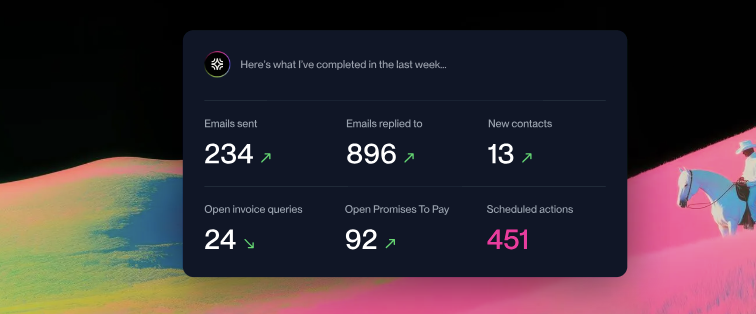
Lunos handles the back-and-forth communication that usually stalls payment.
While traditional dispute management systems rely on rigid rules to match invoices, Lunos steps in when things don't go perfectly, like when a customer has a question about a specific charge. It acts as a bridge between your customer’s inbox and your accounting software, making sure the information you need to settle a dispute is organised before it ever reaches your desk.
Key Features
- Reads customer emails to tell the difference between a simple delay and a genuine billing dispute
- You can choose whether the system handles replies itself or just suggests drafts for your team to check
- Shares daily updates and asks for approvals directly in Slack so you can resolve issues where you already work
- Keeps a complete record of every message, so you always know why an invoice is still outstanding
Pricing
- Starter: $0/month (0.3% fee on collected revenue).
- Pro: $200/month + 0.3% fee.
- Enterprise: Custom pricing.
Pros
- Finds and flags disputes weeks before they would typically show up on a report
- Cuts down the manual work of chasing replies by about 75%
- Keeps your cash forecasts accurate by logging payment promises the moment they are made
- Connects your accounting and email systems into one clear view
Cons
- Cannot track disputes that happen exclusively over a phone call
Best for: B2B finance teams who want an AI teammate to handle the inbox triage.
2. Chargebacks911
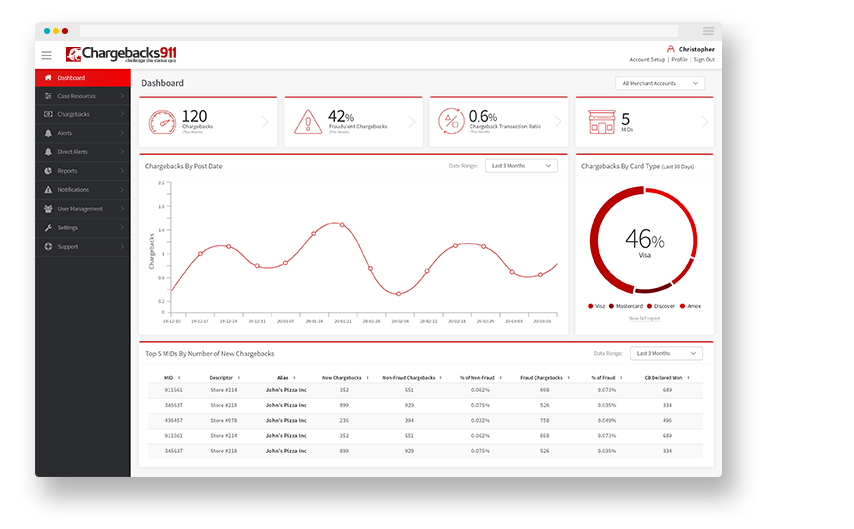
Chargebacks911 helps businesses fight and prevent bank-level disputes. It handles the revenue recovery process by combining software with a team of experts who follow specific credit card network rules.
Unlike Lunos, it operates as a reactive service that triggers only after a conflict has reached the formal chargeback stage.
Key Features
- Identifies the source of a dispute to show if it is a merchant error or actual fraud
- Includes a dashboard that tracks your dispute ratios and risk levels in real-time across different regions
- Provides an alert system that lets you know a dispute is coming so you can issue a refund
- Audits your internal processes to find mistakes that might be triggering customer complaints
Pricing
- Custom
Pros
- Offers a comprehensive database of bank reason codes and dispute rules
- Provides a mix of tools and human expertise to handle complex legal cases
- Works with a wide variety of payment processors and merchant accounts globally
Cons
- The setup is complex and usually takes a significant amount of time to get running
- It lacks the ability to talk to customers and resolve disputes through simple conversation
Best for: Large, high-volume merchants who need a mix of software and human support to manage bank chargebacks.
3. Q2
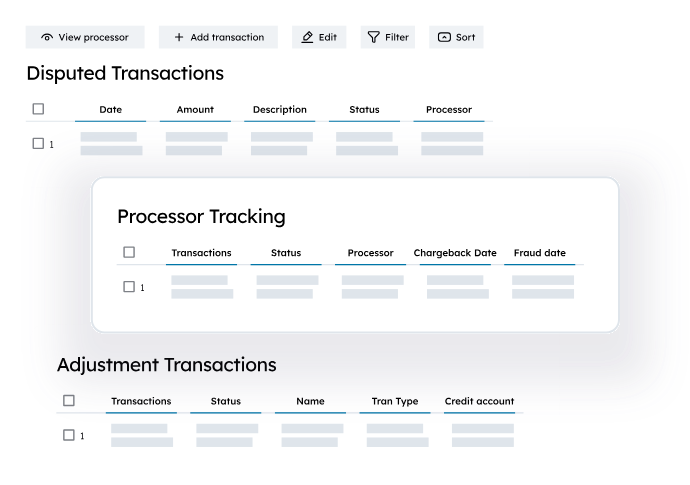
Q2 provides a dispute-tracking system, CentrixDQS, for banks and financial institutions. It helps staff manage electronic transaction disputes while staying compliant with federal banking regulations.
The dispute management platform organizes all dispute-related notes, letters, and adjustments in one place, helping teams research past claims and meet strict legal deadlines.
Key Features
- Sends automatic alerts to your staff as critical legal deadlines approach for each case
- Allows customers to start their own dispute claims through a self-service portal in their digital banking app
- Automatically produces and sends required compliance letters to customers throughout the research process
- Processes compromised card files from major networks like Visa and Mastercard to help you spot fraud early
Pricing
- Custom
Pros
- Built specifically to handle the strict compliance requirements of the banking industry
- Reduces the time spent on manual research by pulling customer data directly into each case
- Provides management with clear visibility into fraud trends across the entire institution
Cons
- Only available for banks and credit unions, making it inaccessible for regular B2B or D2C businesses
- The interface is designed for administrative staff and doesn't offer the conversational intelligence of a modern AI coworker
Best for: Banks and credit unions that need to automate their internal dispute workflows while staying legally compliant.
4. Chargeflow
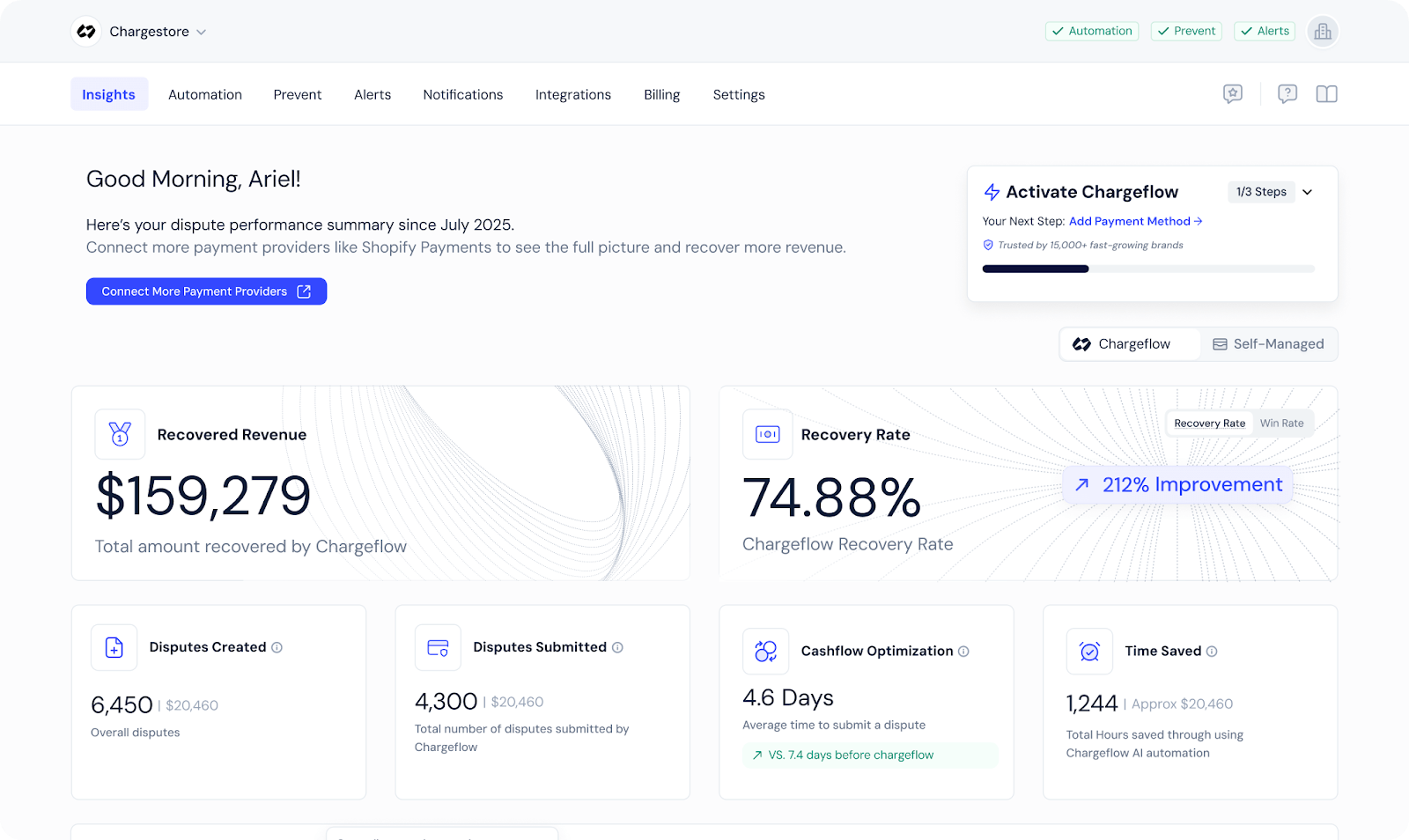
Chargeflow is a recovery tool designed for retailers who need to fight chargebacks on autopilot. It steps in after a bank dispute has been filed, focusing on gathering the right evidence to win back lost revenue.
The dispute management software handles the legal side of the process, so your team doesn't have to manually pull order details or write rebuttal letters.
Key Features
- Pulls data from your shop to automatically create and submit evidence packages to banks
- Tracks bank deadlines to make sure you never lose a case because of a slow response
- Includes a tool that sends alerts so you can try to refund a customer before a formal chargeback hits
- Connects directly to your payment processor to manage the legal lifecycle of a dispute without manual typing
Pricing
- Insights: Free (Analytics and reporting dashboard)
- Prevent: $0.2/scanned transaction. The first 1,000 scans are free
- Automation: 25%/recovered chargeback
- Alerts: $29/deflected chargeback
Pros
- Requires almost no effort from your team to fight hundreds of disputes at once
- Aligns its costs with your success so you only pay for actual results
- Eliminates the need for manual data entry when responding to bank requests
- Provides clear insights into which products are causing the most payment conflicts
Cons
- Does not help with complex B2B billing disputes that require negotiation
- Only works reactively and cannot stop a customer from filing a dispute through dialogue
Best for: E-commerce brands looking for a simple way to handle high volumes of chargebacks.
5. Sift
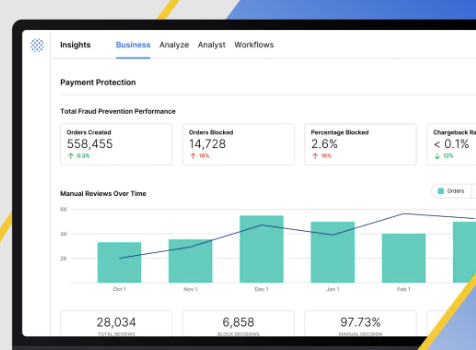
Sift is a data network that helps large platforms spot high-risk buyers before they can ever start a dispute. It acts as a technical gatekeeper for your checkout process. The platform also uses a massive database of user behavior to block bad actors.
Key Features
- Gives every order a risk score based on billions of data points across the globe
- Includes a console where your analysts can dig into suspicious accounts to see their dispute history
- Automatically detects patterns of account takeovers to prevent unauthorized charges
- You can create custom rules that block orders or trigger extra verification for high-risk regions
Pricing
- Custom
Pros
- Stops most professional payment disputes before the customer even finishes checking out
- Provides access to a global network that identifies bad actors before they reach your site
- Scales easily for platforms processing millions of transactions every month
Cons
- Requires a significant amount of developer time to set up and maintain the integration
- Cannot handle the human side of resolving a payment issue
Best for: Large digital marketplaces that need to block professional fraud at the source.
6. HighRadius
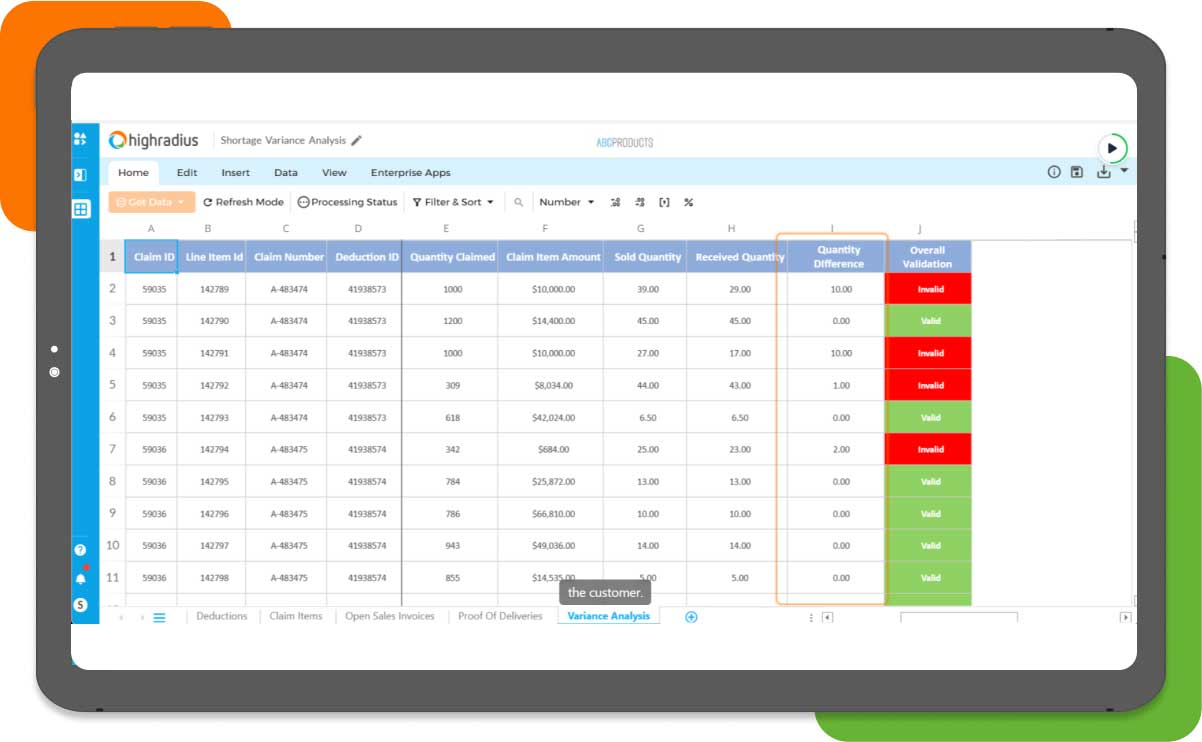
HighRadius provides a centralized system for large corporations to manage payment disputes and deductions. It focuses on taking data from customer portals and ERPs to automate the research and validation process. This helps analysts prioritize high-value disputes and speed up internal approvals.
Key Features
- Automatically captures dispute data from emails, accounting systems, and customer portals
- Uses predictive rules to suggest whether a deduction is valid or if it should be challenged
- Intelligently assigns each dispute to the right team member based on their expertise and current workload
- Supporting documents like invoices and delivery proofs are automatically attached to each case file
Pricing
- Custom
Pros
- Dramatically reduces the time analysts spend manually searching for backup documents
- Centralizes communication between different departments, like sales and finance, in one workspace
- Helps prevent revenue leakage by flagging invalid disputes before they are written off
Cons
- The implementation process is very involving and can take time to fully deploy
- HighRadius is a complex back-office tool that does not offer a friendly, conversational interface for customers
Best for: Global enterprise companies with high volumes of complex deductions and internal approval chains.
7. Kount (an Equifax Company)
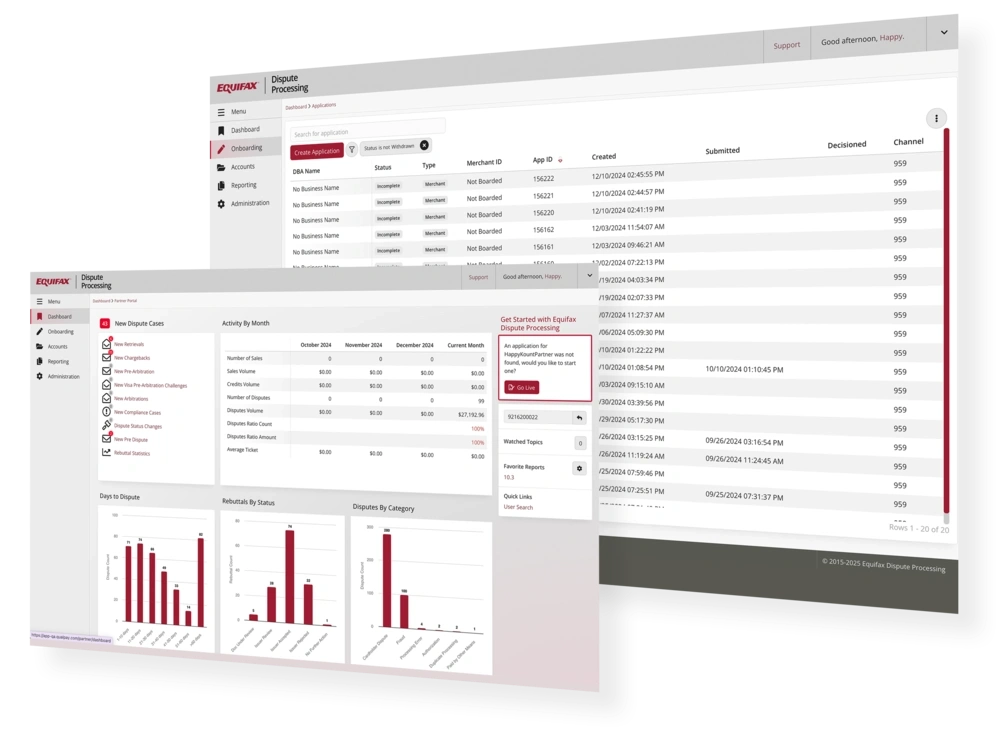
Kount provides a centralized platform for managing the entire dispute lifecycle, specifically aimed at banks, payment processors, and large retailers. It consolidates transaction and dispute data into a single portal, reducing the need for manual research across multiple systems.
Key Features
- Includes a case management system that organizes dispute details so your team can prioritize their workload
- Provides detailed reports on win rates and dispute percentages to help you understand your risk
- You can use different modules specifically designed for either back-office teams, banks, or merchants
- Automates routine administrative tasks like status notifications and data reconciliation to save time
Pricing
- Custom
Pros
- Provides a very stable and transparent way to manage high volumes of bank chargebacks
- Backed by a team of expert analysts who can help with complex risk management decisions
- Consolidates siloed data, making it easier to see the full history of a disputed transaction
Cons
- Requires training to use effectively
- Lacks the conversational intelligence to automatically resolve billing questions
Best for: Payment processors and large merchants who need a centralized system to manage bank-level disputes.
8. Signifyd
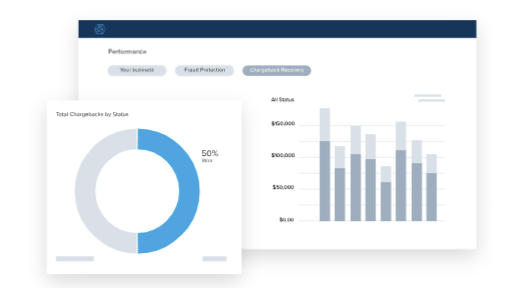
Signifyd provides a financial safety net by assuming the risk of payment disputes. Its main model is a fraud guarantee where they approve or decline orders at checkout and pay you back if an approved transaction results in a fraud chargeback.
For non-fraud cases, Signifyd uses an automated system to gather evidence and file responses.
Key Features
- Orders are evaluated at checkout with a 100% financial reimbursement guarantee on fraud-related chargebacks
- A global commerce network identifies known good"shoppers to safely increase order approval rates
- An automated representment engine builds and submits evidence for disputes not covered by the guarantee
- A decision console allows teams to set custom rules for handling promotion abuse and returns
Pricing
- Custom
Pros
- Shifts the financial loss of fraud from your balance sheet to theirs
- Approves more legitimate orders that traditional filters might wrongly block
- Removes the need for internal staff to manually review orders or fight claims
- Integrates easily with major platforms like Shopify, Magento, and BigCommerce
Cons
- The guarantee usually only covers fraud, not service-related or friendly disputes
Best for: High-volume retailers looking to outsource fraud risk and automate paperwork for all other disputes.
9. Justt
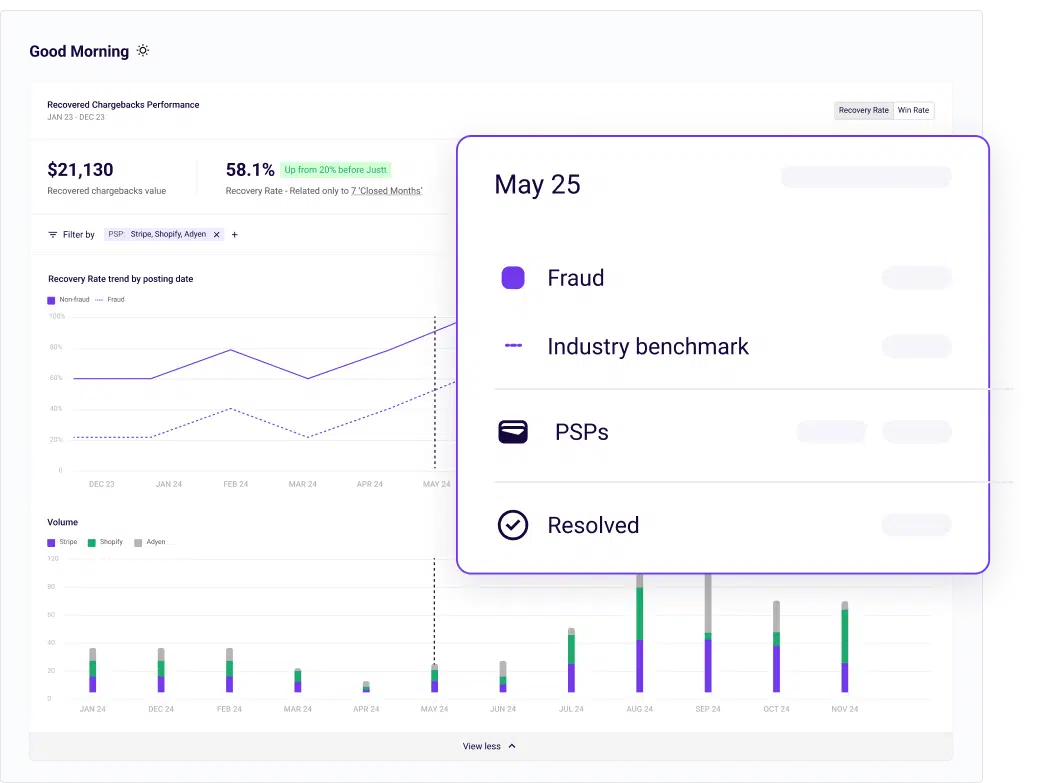
Justt is an automated recovery platform that focuses on dynamic arguments to win bank-level disputes. Its machine learning engine continuously A/B tests different evidence combinations to identify which data points specific card issuers are currently accepting.
Key Features
- Generates custom evidence packages for every dispute, tailoring the logic and design to the specific reason code and issuer
- Pulls data from merchant systems and third-party logistics to build a comprehensive defense
- Its ROI-based optimization tool recommends whether to fight, ignore, or accept a dispute to maximize net revenue recovery
- Automated workflows ensure all bank deadlines are met, preventing cases from being lost due to administrative delays
Pricing
- Custom
Pros
- Self-improving AI learns from previous outcomes to steadily increase win rates without manual rule updates
- Minimizes lost dispute fees by identifying and dropping cases with a low likelihood of success
- Requires very little technical lift to deploy due to deep integrations with major payment service providers
- Provides specialized evidence strategies for complex industries like travel, crypto, and gaming
Cons
- Provides limited visibility into the specific manual steps taken for each case
- Lacks a conversational layer to resolve customer frustrations
Best for: Mid-to-large e-commerce and SaaS companies that want to maximize their recovery rates through automation.
10. Esker
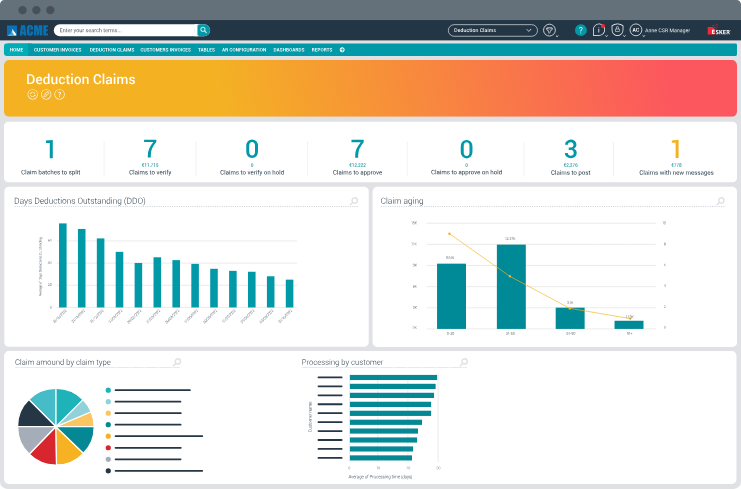
Esker is an invoice-to-cash platform that automates the resolution of B2B payment discrepancies and deductions. It focuses on the administrative burden of matching short payments to trade promotions, shipping errors, or pricing disputes. Esker excels at internal workflow efficiency for finance teams.
Key Features
- RPA bots automatically pull proof of delivery and debit notes from customer portals to eliminate manual document searching
- AI-driven capture extracts line-item data from remittances and emails to categorize disputes by reason code
- Multi-level workflows route cases to specific departments, such as sales or logistics, for validation and approval
- Internal chat tools keep all team discussions and supporting files attached to the individual dispute record
- Direct ERP integration triggers the automatic creation of credit notes or G/L entries once a dispute is resolved
Pricing
- Custom
Pros
- Reduces manual data entry by automatically identifying header and line-level details
- Creates a clear, compliant audit trail for every internal action and decision made on a dispute
- Identifies recurring root causes of deductions to help prevent future revenue leakage
- Integrates with multiple ERPs simultaneously, making it ideal for large, global organizations
Cons
- Built primarily for heavy B2B supply chains and may be overly complex for standard e-commerce needs
Best for: Large manufacturers and distributors managing high-volume B2B deductions and complex internal approvals.
11. ACI Worldwide
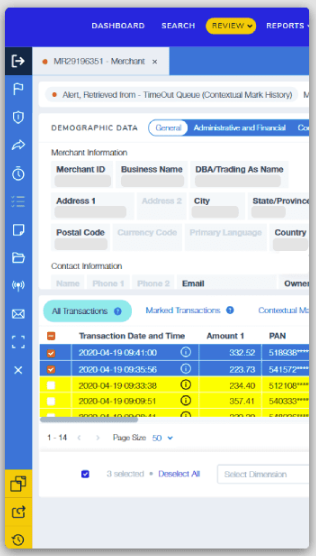
ACI Worldwide provides a high-scale infrastructure tool for banks and payment processors to manage card-brand disputes. Its Automated Dispute Manager (ADM) focuses on the operational engine that processes massive volumes of formal claims across Visa and Mastercard networks.
The platform focuses on automating the technical data exchange required to comply with strict network regulations.
Key Features
- Automated case opening matches incoming network data to existing transactions to save manual research time
- Dynamic workflows guide bank analysts through tasks based on specific card products and network rules
- Integrated data exchange links documents from imaging systems directly to individual case files
- A unified portal supports documentation submission and financial adjustments across Credit, Debit, and ACH
- Built-in deadline monitoring tracks network timers to ensure cases are never lost due to administrative delays
Pricing
- Custom
Pros
- Centralizes disparate payment networks into a single processing environment for large institutions
- Reduces human error by pre-filling data elements required for network compliance
- Minimizes financial write-offs by identifying every eligible case for recovery
- Scales to handle millions of transactions across global banking teams
Cons
- Rigid, technical configuration requires specialized expertise to manage and maintain
- Operates as a banking utility and cannot handle the human side of resolving disputes
Best for: Banks and payment processors that need to automate the technical fulfillment of network-level dispute regulations.
Choosing Your Optimal Resolution Strategy
The best dispute management software depends on your friction point. If you're fighting retail fraud, "set-and-forget" automation like Chargeflow is the standard move.
However, these traditional tools treat a dispute as a technical battle, focusing on "representment", which is essentially compiling evidence packages to win a technicality with the bank.
For B2B teams, disputes are rarely about fraud; they are unresolved conversations about pricing or delivery.
This is where Lunos excels. Instead of just filing paperwork, it acts as a digital teammate that handles the back-and-forth negotiation, resolving the root cause so you can capture revenue instead of writing it off.
Ready to recover your disputed revenue?
Get started with Lunos today.
Make your receivables effortless and focus on what you do best